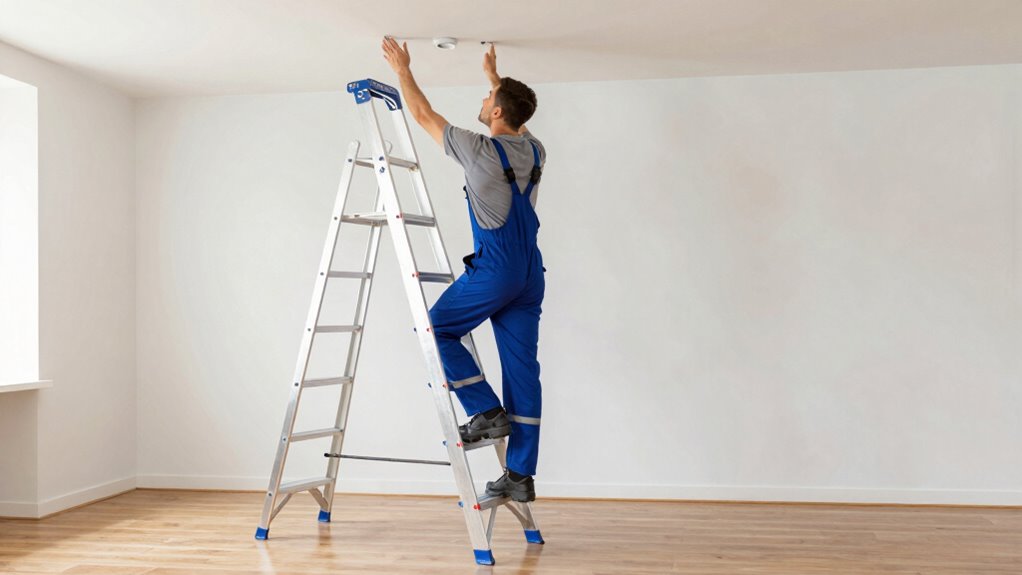

To prevent falls when working on ceilings, follow the “overreach” rule by ensuring your ladder is properly positioned at the right angle on a stable surface. Keep your hips and shoulders within the ladder’s side rails and maintain three points of contact. Never stretch or lean too far; instead, reposition the ladder closer if you can’t reach comfortably. Mastering these tips helps you stay balanced and safe—continue for more essential ladder safety strategies.
Key Takeaways
- Always reposition the ladder closer when you cannot comfortably reach the ceiling area.
- Avoid stretching or leaning excessively to prevent shifting your center of gravity.
- Maintain proper body positioning with hips and shoulders within the ladder rails.
- Use a stable, level surface to set up your ladder for better balance.
- Keep three points of contact and do not overreach to minimize fall risk.
Have you ever wondered how to stay safe when working on a ladder near the ceiling? It’s a common concern, especially when you’re reaching for high spots. The key is maintaining proper ladder stability and managing your tools effectively. When your ladder isn’t stable, even a small slip can lead to a fall, so always ensure it’s set on a flat, solid surface. Before climbing, double-check that the legs are fully expanded and locked into place. If your ladder wobbles or shifts, don’t use it until you correct the issue. Stabilize it by placing a level underneath or using stabilizers if available. This simple step dramatically reduces the risk of slipping or tipping over.
Tool management is equally important; carrying tools while climbing or working can compromise your balance. Use a tool belt or a bucket attached to the ladder to keep your hands free. This way, you avoid the temptation to hold tools while ascending or descending, which can throw off your center of gravity. When you need a specific tool, stop and safely descend to retrieve it, rather than reaching or stretching awkwardly from the ladder. Overreaching is one of the leading causes of falls, especially when working near the ceiling. It might seem convenient to stretch your arm to grab a tool or reach a spot, but doing so shifts your body weight away from the ladder’s center. This imbalance can cause the ladder to become unstable, increasing the chance of a fall.
The “overreach” rule is straightforward: never extend your body beyond the side rails of the ladder. Always move the ladder closer to the work area if you can’t comfortably reach it. If you find yourself stretching or leaning excessively, it’s a clear sign you need to reposition the ladder. Keep your hips and shoulders within the side rails, and maintain three points of contact—either two hands and one foot or two feet and one hand—at all times. This technique keeps you grounded and improves your overall stability. Proper ladder positioning is essential for preventing accidents during ceiling work.

Telescoping Ladder, SocTone 12.5 FT Aluminum Lightweight Extension Ladder with 2 Triangle Stabilizers, Heavy Duty 250lbs Max Capacity, Multi-Purpose Collapsible Ladder for RV or Outdoor Work
Reduced Wobble: After repeated tests, we added two new triangle stabilizers on the telescopic ladder, which can reduce…
As an affiliate, we earn on qualifying purchases.
As an affiliate, we earn on qualifying purchases.
Frequently Asked Questions
What Types of Ladders Are Safest for Ceiling Work?
You should choose extension ladders and fiberglass ladders for ceiling work because they’re among the safest options. Extension ladders provide stability and reach, making it easier to work at heights without overreaching. Fiberglass ladders are non-conductive, reducing electrical hazards. Always guarantee the ladder is properly set up, on a stable surface, and follow safety guidelines to prevent falls. These ladders help you work efficiently and safely at ceiling height.
How Often Should Ladder Safety Training Be Refreshed?
While routine ladder inspection and clear safety signage are essential, you should refresh your ladder safety training annually to stay current with best practices. This consistency guarantees you recognize hazards, including overreach risks, and respond effectively. Regular training reinforces the importance of following safety procedures, reducing fall risks. Staying up-to-date helps you apply the ladder safety rules confidently, preventing accidents and ensuring a safer work environment.
Are There Specific Regulations for Ceiling Work in Commercial Buildings?
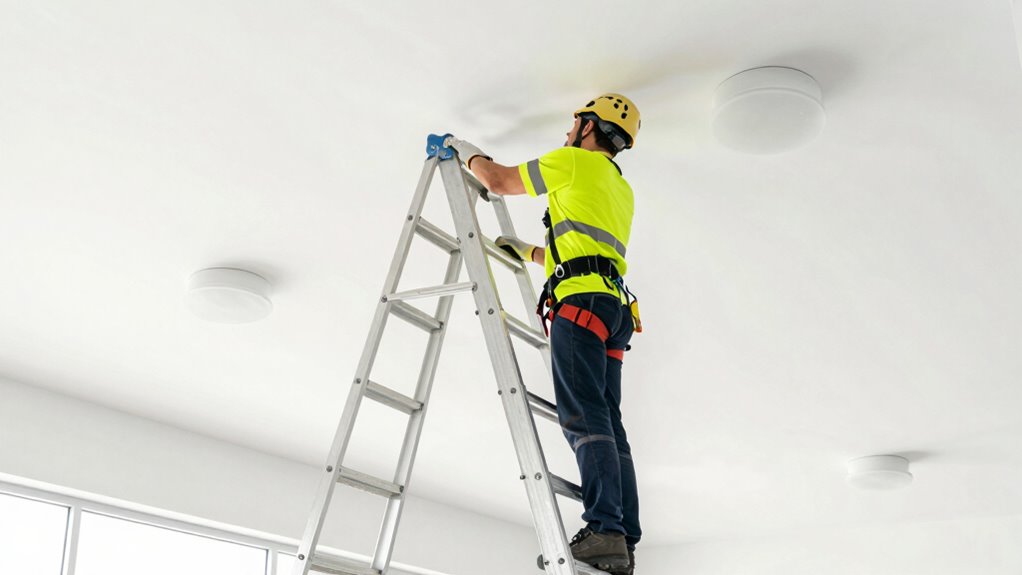
You should follow specific regulations for ceiling work in commercial buildings, including using proper safety equipment like harnesses and helmets. Regular inspection routines are essential to guarantee all safety gear is in good condition. Additionally, adhere to OSHA standards which mandate safe work practices, proper ladder placement, and fall protection measures. Staying compliant helps prevent accidents and ensures your safety while working at heights.
How Do Weather Conditions Affect Ladder Safety During Ceiling Work?
Weather hazards and environmental factors can turn your ladder into a slippery slip ‘n slide. Wind, rain, or ice make climbing risky, reducing your grip and stability. Always check the forecast before starting, and avoid working in stormy conditions. If weather worsens, it’s smarter to pause and wait than risk a fall. Your safety depends on respecting these conditions to keep your work steady and secure.
What Are the Signs of Ladder Fatigue or Instability?
You’ll notice ladder fatigue or instability signs when the ladder wobbles, shifts, or feels unsteady under your weight. If your arms or legs tire quickly, it’s a sign your body’s fatigued, which can lead to loss of control. Also, watch for creaking, slipping, or if the ladder leans unexpectedly. These signs indicate instability and should prompt you to stop, inspect, and reposition the ladder to prevent falls.
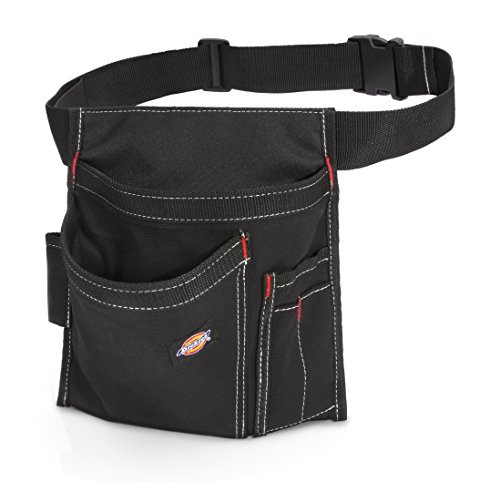
Dickies 5-Pocket Single Side Tool Belt Pouch/Work Apron, Durable Canvas Construction, Adjustable Belt for Custom Fit, Black
Convenient – carry your tools with you from task to task while staying hands-free
As an affiliate, we earn on qualifying purchases.
As an affiliate, we earn on qualifying purchases.
Conclusion
Remember, staying within the ladder’s “overreach” zone keeps you safe and on solid ground. Don’t bite off more than you can chew—use the right ladder and position it properly. By following this simple rule, you can avoid falls and finish your ceiling work with confidence. It’s better to be safe than sorry, so take your time and stay smart. Keep safety first, and you’ll come out on top every time.

Xtenda-Leg® Ladder Leveler – Rubber Feet, Perfect for Extension Ladders, Stabilizer Attachments for Safe Use – Stable Platform for Uneven Ground – Easy Installation – OSHA Approved – 1 Pair
MEETS OSHA SAFETY STANDARDS – The Xtenda-Leg Ladder Leveler is designed to meet the safety standards set by…
As an affiliate, we earn on qualifying purchases.
As an affiliate, we earn on qualifying purchases.
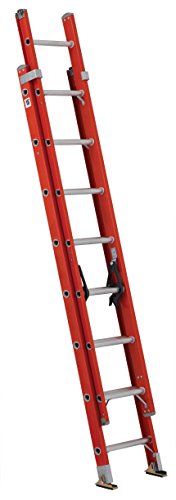
Louisville Ladder 16-foot Fiberglass Extension Ladder, 300-Pound Load Capacity, Type IA, FE3216
NON-CONDUCTIVE: Crafted with fiberglass for non-conductive safety assurance, this extension ladder combines strength and durability.
As an affiliate, we earn on qualifying purchases.
As an affiliate, we earn on qualifying purchases.