
To guarantee your ceiling fan installation is safe, you must follow specific safety regulations and building codes. Verify that your support box is UL-listed and rated for fan weight, securely attach it to a structural member, and maintain a minimum of 7 feet clearance from the floor. Turn off power and test circuits before wiring. Compliance with local electrical standards like NEC is essential. Continuing with proper procedures helps you avoid hazards, structural issues, and code violations—learn the detailed steps ahead.
Key Takeaways
- Ensure installation complies with local building codes and electrical standards, including wiring, grounding, and load requirements.
- Use a UL-listed support box rated for fan weight and secure it to ceiling joists or structural supports.
- Maintain at least 7 feet clearance from the floor, using downrods or extension kits for higher ceilings.
- Turn off power at the circuit breaker and verify absence of current before installation.
- Follow manufacturer guidelines for installation, maintenance, and safety procedures to prevent hazards and ensure proper operation.

Installing a ceiling fan requires strict adherence to safety regulations to guarantee proper operation and prevent accidents. Before beginning, you must familiarize yourself with local building codes and electrical standards, which set the minimum requirements for safe installation. These codes specify the acceptable heights, load capacities, wiring procedures, and grounding methods necessary to guarantee safety and compliance. Ignoring these regulations can lead to faulty installations, electrical hazards, or structural failures. Always check with your local authority or building department to obtain the latest codes applicable to your area, as they can vary considerably between jurisdictions.
Proper electrical wiring is paramount. You need to make certain that the power supply is turned off at the circuit breaker before starting any work. Use a voltage tester to confirm the absence of current to avoid electric shock. Wiring must be performed according to the National Electrical Code (NEC) or equivalent standards, which mandate grounding conductors and the use of appropriate circuit breakers. The fan’s electrical box should be a listed, fan-rated box designed to support the weight and motion of the fan. Installing an inadequate box can cause the fan to become loose or fall, presenting serious safety hazards. If the existing box isn’t rated for ceiling fans, you must replace it with a proper, UL-listed support box that is securely anchored to a ceiling joist or a structural brace. Additionally, ensuring proper support and stability is essential to prevent future accidents or damage.
Height clearance is another critical aspect governed by building codes. The fan blades should hang at least 7 feet above the floor in rooms with standard ceiling heights of 8 feet. For higher ceilings, the blades should be installed at a height that maintains this clearance, often requiring downrods or extension kits. Adequate clearance prevents accidental contact and ensures air circulation efficiency. Additionally, you must verify that the ceiling structure can support the weight of the fan, which often involves attaching it to a ceiling joist or a reinforced mounting point. Using a mounting bracket that is rated for the fan’s weight and ensuring it is securely fastened minimizes the risk of the fan falling.
Finally, you should follow all manufacturer instructions meticulously, as these contain specific safety precautions and installation procedures. Failure to adhere to these guidelines can void warranties and create hazards. Once installed, test the fan thoroughly to confirm smooth operation, proper balance, and secure mounting. Regular maintenance and inspections should be scheduled to check for loose connections, wobbling, or unusual noises. By strictly following safety regulations and building codes, you make certain a reliable installation that prioritizes safety and longevity.

RACO RETRO-BRACE 936 1.5-in. Deep Ceiling Fan Box for Old Work 2.5-in. Knockouts, Old Work Electrical Box, Adjustable Brace, and Mounting Bracket for Ceiling Light Fixtures & Chandelier Fans
DESIGNED FOR RESTORATIONS: Our Hubbell RACO RETRO-BRACE 1.5-in. Deep Ceiling Fan Box for Old Work is specially designed…
As an affiliate, we earn on qualifying purchases.
As an affiliate, we earn on qualifying purchases.
Frequently Asked Questions
Can I Install a Ceiling Fan Outdoors Safely?
Yes, you can install a ceiling fan outdoors safely if you choose a fan rated for outdoor use. Make sure it’s specifically designed for damp or wet locations, depending on your outdoor environment. Properly install it in a sheltered area to prevent exposure to rain or direct sunlight. Follow manufacturer instructions carefully, use weather-resistant wiring, and ensure the fan is securely mounted to withstand outdoor conditions.
What Tools Are Essential for Safe Ceiling Fan Installation?
You need a sturdy Phillips and flat-head screwdriver to tighten mounting brackets securely. A voltage tester confirms power is off before wiring. Use adjustable pliers for gripping and twisting wires, a drill with appropriate bits for mounting holes, and a ladder for reaching ceiling height safely. Additionally, have wire strippers handy to prepare electrical connections correctly. These tools ensure a safe, precise, and compliant ceiling fan installation.
How Often Should Ceiling Fans Be Inspected for Safety?
You should examine your ceiling fan at least once a year, much like a car’s routine maintenance before long trips. Regular checks ensure blades are balanced, mounts are secure, and wiring is intact. If you notice wobbling, unusual noises, or flickering lights, examine immediately. Staying vigilant prevents accidents, safeguarding your household. Proper maintenance prolongs your fan’s lifespan and keeps it operating safely, reducing the risk of electrical hazards or structural damage.
Are There Specific Safety Standards for Ceiling Fans in Commercial Buildings?
Yes, commercial ceiling fans must meet specific safety standards set by organizations like ANSI and UL. You should verify fans are rated for commercial use, equipped with appropriate safety features, and installed according to manufacturer instructions. Regular inspections for wear, secure mounting, and electrical safety are critical. Complying with these standards minimizes risks, ensures reliability, and maintains code compliance, safeguarding both occupants and property.
What Are the Common Safety Hazards During Ceiling Fan Installation?
During ceiling fan installation, you risk electrical shocks if you don’t turn off power, like a sailor ignoring a storm. Falling from ladders is common if the fixture isn’t securely mounted, risking injury. Loose wiring can spark fires, threatening lives and property. Always double-check connections, use proper tools, and adhere to safety protocols. Taking these precautions guarantees your safety and a successful, hazard-free installation.

DPXMYG 36 inch Ceiling Fan Downrod, 3 FT Black Downrod for Ceiling Fan, 1 inch Outside Diameter, Boom Suitable for a Wide Range of Fans (Black, Not Threaded)
Ceiling Fan Extension Downrod: The DPXMYG downrod fits most ceiling fans on Amazon (Note: Our downrods are not…
As an affiliate, we earn on qualifying purchases.
As an affiliate, we earn on qualifying purchases.
Conclusion
Ignoring safety regulations and building codes when installing a ceiling fan is like inviting disaster into your home. A single mistake could lead to catastrophic electrical fires, structural collapses, or severe injuries. By meticulously following every regulation, you’re not just ensuring comfort—you’re safeguarding your life and property from the unimaginable. Don’t cut corners or assume shortcuts; precision and adherence to codes are your ultimate defenses against what could become the worst disaster you’ve ever faced.
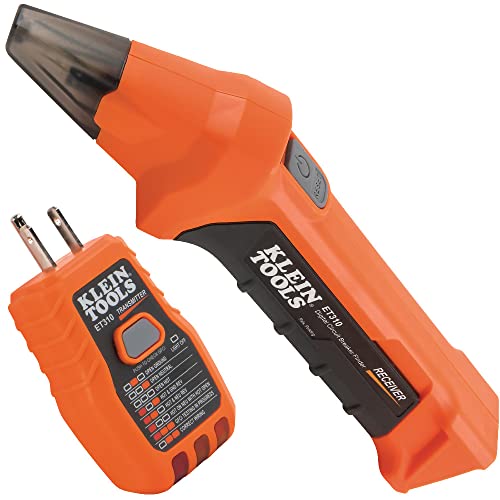
Klein Tools ET310 AC Circuit Breaker Finder, Electric and Voltage Tester with Integrated GFCI Outlet Tester
ACCURATE CIRCUIT BREAKER IDENTIFICATION: Quickly locate the correct breaker with precision using our circuit breaker finder, ensuring efficient…
As an affiliate, we earn on qualifying purchases.
As an affiliate, we earn on qualifying purchases.

Southwire Electrical Box for Ceiling Fan, Light Fixture, 50lb Ceiling Fan and 75lb Light Fixture Support, Depth Adjustable, Gray, MSBFAN
Adjustable & Secure Installation: The Southwire Electrical Box offers quick setup and strong support as a durable electrical…
As an affiliate, we earn on qualifying purchases.
As an affiliate, we earn on qualifying purchases.