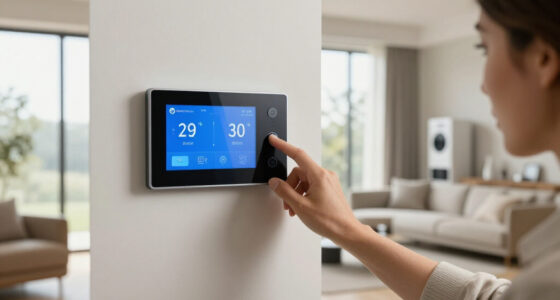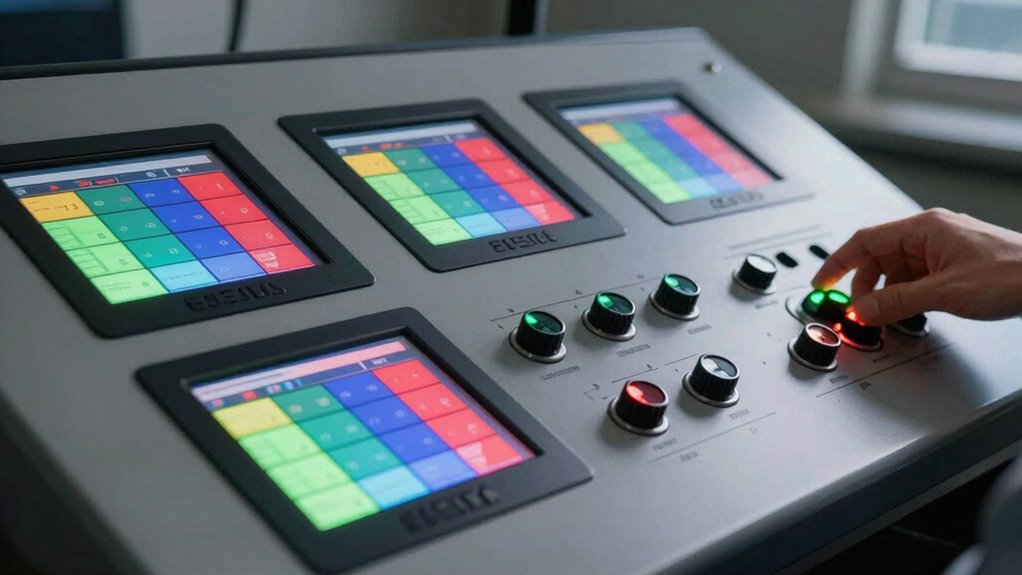

Multi-zone systems trade simplicity for flexibility because they let you customize comfort in different areas and control temperatures precisely. This means installing multiple thermostats, dampers, and complex ductwork, which can be more challenging and costly upfront. The setup requires professional expertise to guarantee everything works smoothly and efficiently. While more intricate, this flexibility enhances energy savings and comfort. If you want to understand why this balance exists and how it benefits your home, keep exploring.

Get home appliances delivered free with Prime
- Fast, free delivery on millions of items
- Prime Video, Amazon Music and more included
- Member-only deals all year
Key Takeaways
- Multi-zone systems require complex installation, including multiple thermostats and ductwork, sacrificing simplicity for tailored zone control.
- The increased system complexity enables customized comfort and energy efficiency across different home areas.
- Proper design and professional installation are essential, making the system more intricate than single-zone setups.
- Maintenance and troubleshooting are more involved due to additional components and zones.
- The trade-off offers greater flexibility in temperature management and potential energy savings despite higher upfront costs.

Multi-zone systems offer a notable advantage in heating and cooling by allowing you to customize comfort in different areas of your home. Instead of a single thermostat controlling the entire space, these systems enable you to set different temperatures for each zone, making your home more comfortable and energy-efficient. By targeting specific areas, you can avoid wasting energy on unoccupied rooms or spaces that don’t need constant climate control. That’s a big plus if you’re looking to lower your utility bills and reduce your environmental impact. Additionally, the ability to target specific areas helps optimize overall system performance. However, this flexibility comes with a trade-off: increased installation complexity. Installing a multi-zone system requires more planning, specialized equipment, and precise setup compared to traditional single-zone HVAC units. You’ll need multiple thermostats, zone dampers, and possibly additional ductwork or piping, which can complicate the installation process. This complexity often translates into higher upfront costs and longer installation times, especially if your home’s existing infrastructure isn’t optimized for zoning.
Multi-zone HVAC systems offer tailored comfort but require complex, costly installation and maintenance.
Because of this added complexity, you might find that the installation process demands a skilled technician familiar with multi-zone configurations. It’s not a DIY project, and cutting corners could lead to uneven heating or cooling, system inefficiencies, or even costly repairs down the line. The installation process can also be affected by factors such as home layout and existing HVAC infrastructure, which may require custom solutions. Additionally, understanding the system design is crucial for ensuring optimal performance and avoiding common issues associated with multi-zone setups. Proper system balancing is essential to prevent some zones from being over- or under-conditioned, which can affect overall comfort. Achieving effective zoning often requires a thorough understanding of HVAC system fundamentals, making professional guidance essential. The initial investment can seem steep, but the enhanced control and potential energy savings often justify the expense over time. You’ll likely notice better temperature consistency across your home and a reduction in energy waste, making your investment worthwhile.
Another aspect to weigh is maintenance. Multi-zone systems tend to be more intricate, with additional components that can require regular inspection and servicing. If one zone isn’t functioning properly, it might affect the overall system’s performance, and troubleshooting can be more involved. Still, the ability to fine-tune comfort in each zone means you’re less likely to overwork the system, which can prolong its lifespan and improve efficiency.
multi-zone HVAC system with thermostats
As an affiliate, we earn on qualifying purchases.
As an affiliate, we earn on qualifying purchases.
Frequently Asked Questions
How Do Multi-Zone Systems Impact Initial Installation Costs?
Multi-zone systems increase your initial installation costs because they involve more components and require careful planning. The cost comparison shows that multi-zone setups are pricier than single-zone systems due to added equipment and complexity. The installation complexity is higher, needing skilled labor to set up multiple thermostats and ductwork. While costs are higher upfront, you gain better control over different areas, which can save money and increase comfort in the long run.
Are Maintenance Requirements Higher for Multi-Zone Systems?
Maintenance requirements can be higher for multi-zone systems because of increased maintenance complexity and component accessibility issues. You might find that diagnosing problems takes longer, and accessing certain components can be more challenging due to the multiple zones and additional parts involved. Regular maintenance is essential, but the added complexity means you’ll need to stay vigilant to guarantee all components stay in good working order.
Can Multi-Zone Systems Be Integrated With Smart Home Technology?
Yes, multi-zone systems can effortlessly blend into your smart home setup. With voice control and wireless connectivity, you can manage different zones with ease, making your home feel more intuitive. These systems are designed for seamless integration, allowing you to control temperature settings from your smartphone or voice commands. Embracing this technology adds convenience and sophistication, transforming your living space into a truly connected and comfortable environment.
What Are the Most Common Issues With Multi-Zone Systems?
You might encounter zoning challenges with multi-zone systems, such as uneven heating or cooling, which can impact user comfort. These issues often arise from improperly calibrated dampers or thermostat placement, making it tough to maintain consistent temperatures across zones. Additionally, system complexity can lead to troubleshooting difficulties. To prevent these problems, guarantee your system is professionally installed and regularly maintained, helping you enjoy consistent comfort and efficient operation.
How Do Multi-Zone Systems Affect Energy Efficiency Over Time?
Multi-zone systems can impact your energy efficiency over time by increasing energy consumption if not properly managed. While they offer better temperature stability across different zones, maintaining multiple zones may cause the system to work harder, especially if zones are unevenly heated or cooled. This extra effort leads to higher energy bills and wear on your system, so regular maintenance and smart zoning are essential to optimize efficiency.
Conclusion
Think of a multi-zone system like a Swiss Army knife—versatile and adaptable, but sometimes clunky compared to a simple tool. You might find yourself sacrificing straightforwardness for the ability to customize each zone, much like trying to open a stubborn bottle with a tiny corkscrew. While the extra flexibility lets you tailor your comfort, it can also add complexity. Ultimately, you trade ease for control, just like choosing a multi-tool over a single-purpose knife.
Cold & flu season Picks
humidifiers
As an affiliate, we earn on qualifying purchases.