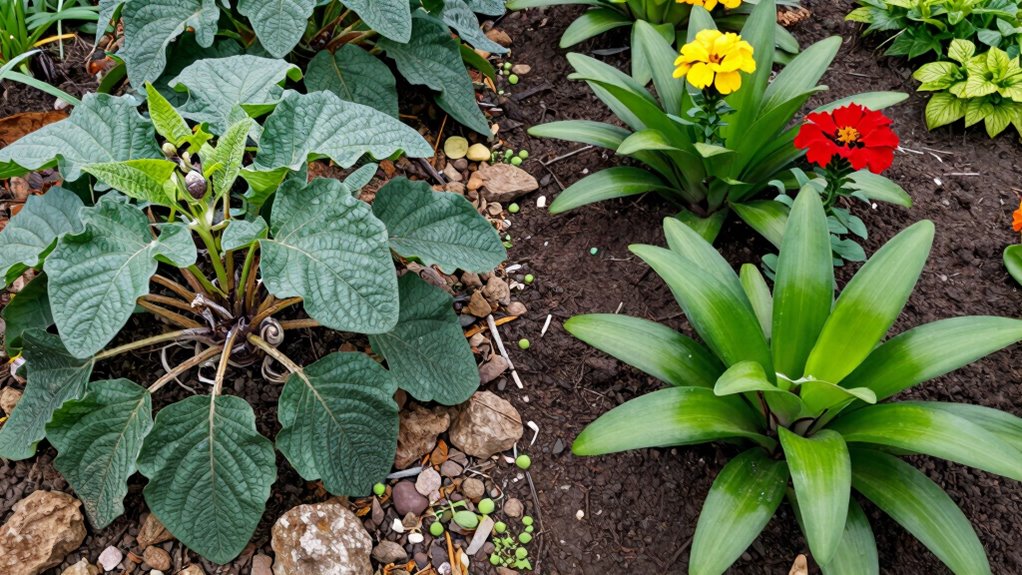

Native plants naturally grow in your region and have evolved alongside local wildlife, making them ideal for supporting pollinators and improving soil health. Adapted plants, on the other hand, are not native but have developed traits to thrive in specific conditions, offering flexibility in planting options. Both types can boost your garden’s sustainability, but native plants usually require less maintenance and have stronger impacts on local ecosystems. Want to discover how to choose the best plants for your space?

Get home appliances delivered free with Prime
- Fast, free delivery on millions of items
- Prime Video, Amazon Music and more included
- Member-only deals all year
Key Takeaways
- Native plants naturally occur in a region, while adapted plants are non-native but suited to local conditions.
- Native plants have co-evolved with local pollinators, supporting ecosystem relationships.
- Adapted plants may not have evolved alongside local wildlife but can still thrive if well-suited.
- Native plants typically require less maintenance and improve soil health naturally.
- Adapted plants offer flexibility and resilience, especially when native options are limited or unavailable.
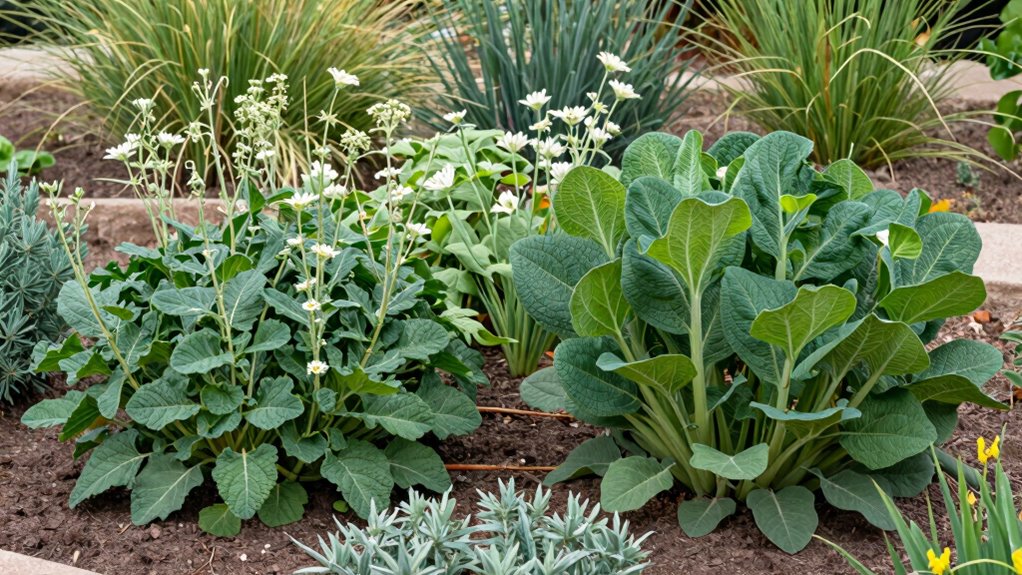
Have you ever wondered whether native or adapted plants are better for your garden? The choice isn’t as straightforward as it might seem. Native plants are those that naturally occur in your region, evolving alongside local wildlife and environmental conditions. Adapted plants, on the other hand, are species that may not be native but have developed traits allowing them to thrive in your specific area. Both options offer unique benefits, especially when it comes to pollinator support and maintaining healthy soil.
Native plants excel at supporting local pollinators like bees, butterflies, and hummingbirds. Because these insects and birds have co-evolved with native species, they’re more attracted to them, ensuring pollination success. This mutual relationship strengthens local ecosystems, helping native plants flourish and providing essential food sources for pollinators throughout the growing season. By planting natives, you create a vibrant, resilient habitat that sustains pollinator populations, which are vital for the health of your entire garden and surrounding environment.
Soil health is another critical factor to consider. Native plants often have deep-rooting systems that improve soil structure, increase aeration, and promote nutrient cycling. Their roots help prevent erosion and encourage beneficial microorganisms, contributing to rich, fertile soil over time. Adapted plants can also support soil health if they’re chosen wisely, especially if they’re well-suited to your soil type and climate. They can reduce the need for chemical inputs, which helps maintain the biological balance in your soil. Choosing suitable plants can make a significant difference in achieving a sustainable garden, especially when considering plant suitability. Additionally, understanding the local ecosystem can guide you in selecting plants that will thrive naturally. Recognizing the importance of native plant resilience can further inform your choices and contribute to a more sustainable landscape.
Choosing native plants generally requires less watering, fertilizing, and pest control because they’re adapted to local conditions. This not only saves you time and money but also reduces your garden’s environmental footprint. Adapted plants, while possibly needing some initial care to establish, can be excellent choices if native options are limited or if you’re aiming for a particular aesthetic or function. They can fill gaps that native plants might not, offering variety and versatility without compromising pollinator support or soil health.
In essence, native plants naturally promote pollinator activity and improve soil quality because they’re a perfect fit for your local environment. Adapted plants can do the same if selected thoughtfully, providing flexibility and resilience. Your decision should hinge on your specific goals—whether you want to bolster local ecosystems or incorporate certain species for aesthetic or functional reasons. Both types of plants have their place, but understanding their differences helps you create a thriving, sustainable garden tailored to your landscape’s needs. Understanding plant suitability can help you make more informed choices for a healthier, more resilient garden.
As an affiliate, we earn on qualifying purchases.
Frequently Asked Questions
Can Adapted Plants Become Invasive Like Non-Native Species?
Adapted plants can become invasive if they have high invasive potential, meaning they spread quickly and outcompete native species. While not all adapted plants pose a threat, some may cause significant ecological impact if they escape cultivation. You should monitor their growth, especially in disturbed areas, to prevent them from becoming invasive. Proper management helps protect local ecosystems and maintains biodiversity from potential invasiveness of adapted plants.
Are Adapted Plants More Drought-Tolerant Than Native Plants?
Adapted plants are like seasoned travelers, often more drought-tolerant than native plants. They generally have better drought resistance and water efficiency because they’ve evolved or been selected to thrive in specific conditions. While some native plants also adapt well, many adapted plants are specifically chosen or bred for their ability to withstand drought, making them a reliable choice if you’re looking to conserve water and reduce irrigation needs.
Do Adapted Plants Require Less Maintenance Than Native Plants?
Adapted plants generally require less maintenance than native plants because their growth adaptability allows them to thrive with minimal intervention. You’ll find they resist pests, tolerate climate fluctuations, and need fewer watering or fertilizing efforts. This means you spend less time on upkeep, watering, and pest control. Their natural resilience makes them a smart choice for low-maintenance gardens, saving you effort while ensuring healthy, sustainable growth.
How Do Climate Changes Affect Native and Adapted Plant Survival?
Climate changes challenge both native and adapted plants by disrupting their climate resilience. You might notice native plants struggle to survive as temperature and rainfall patterns shift, affecting ecosystem balance. Adapted plants, though more resilient, still face risks if conditions change drastically. To support plant survival, it’s essential to contemplate future climate trends when choosing species, ensuring they can thrive and maintain ecosystem stability amid changing environmental conditions.
Can Adapted Plants Support Local Native Wildlife Effectively?
You can definitely rely on adapted plants to support local wildlife, especially with pollinator support and habitat restoration efforts. While they may not be native, many are resilient and provide essential food and shelter. Think of it as hitting two birds with one stone—restoring habitats while giving native species a fighting chance. Just make certain the adapted plants are well-suited to your local environment for best results.
Conclusion
Imagine planting a garden where each plant feels right at home, thriving effortlessly. That’s the beauty of native and adapted plants—they’re like old friends who know the local terrain, weather, and pests. For example, a study shows native plants require 30% less water and fertilizer. When you choose wisely, you’re not just creating a beautiful landscape; you’re supporting local ecosystems—like a well-tuned orchestra where every instrument plays in harmony.
Fall Picks
fall essentials
As an affiliate, we earn on qualifying purchases.